Our Story
They say that an elephant never forgets. Tembo House Hotel is named after the elephant, and that alone is a perfect excuse to retell our history, even though in a brief way. So come and journey with us down memory lane for a minute.
The building that is the Tembo House Hotel has stood witness to much of Zanzibar's history and housed some of its most famous guests.
Journey Through Time
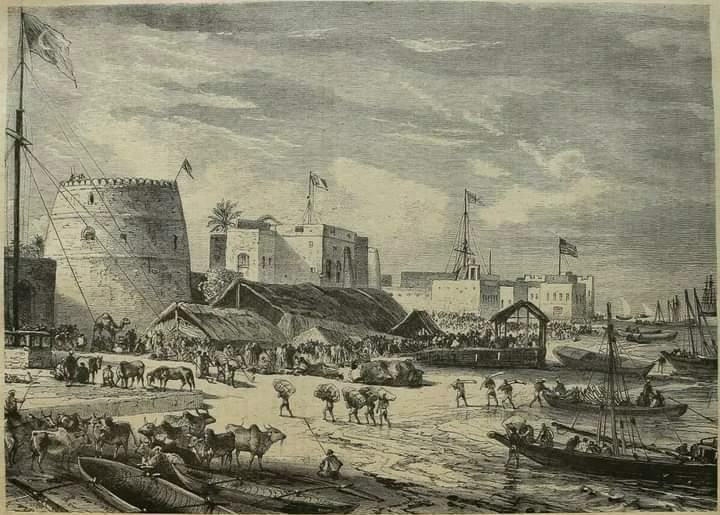
Figure 1: An Illustration of Zanzibar in the 19th Century
Zanzibar Old Territory
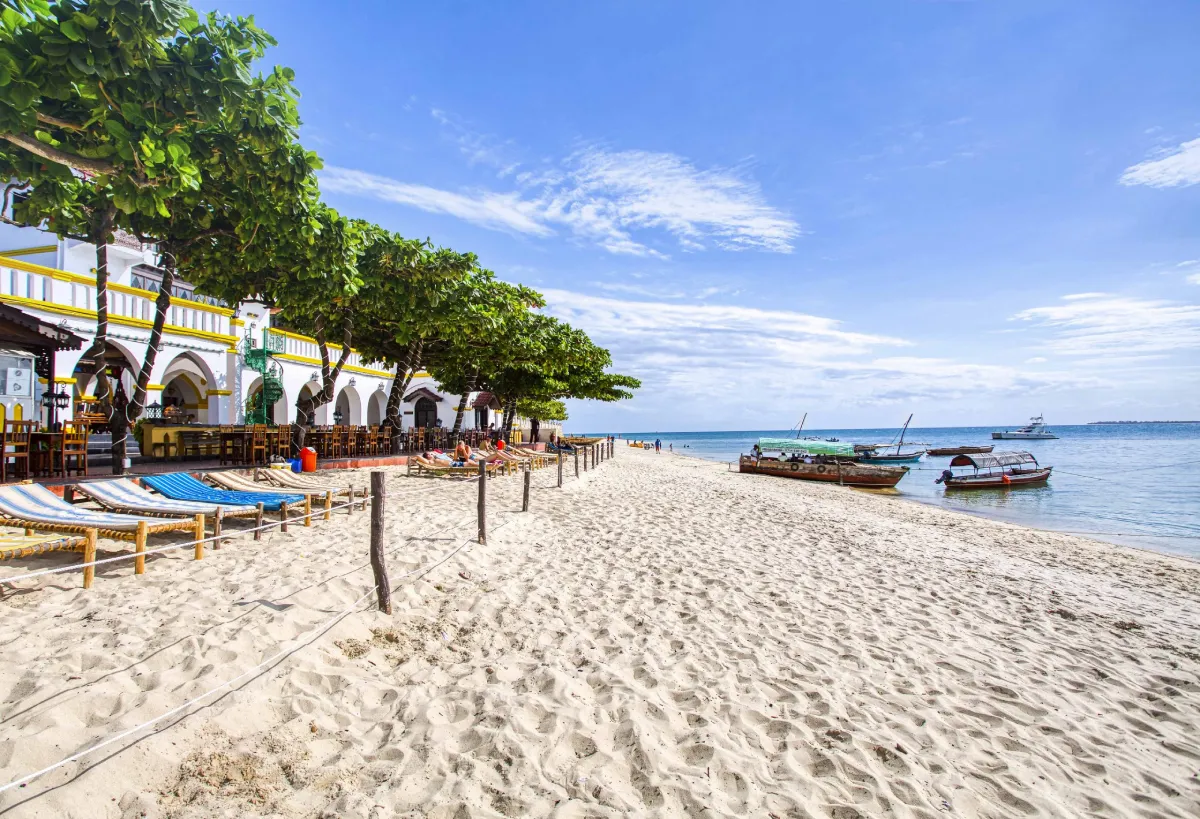
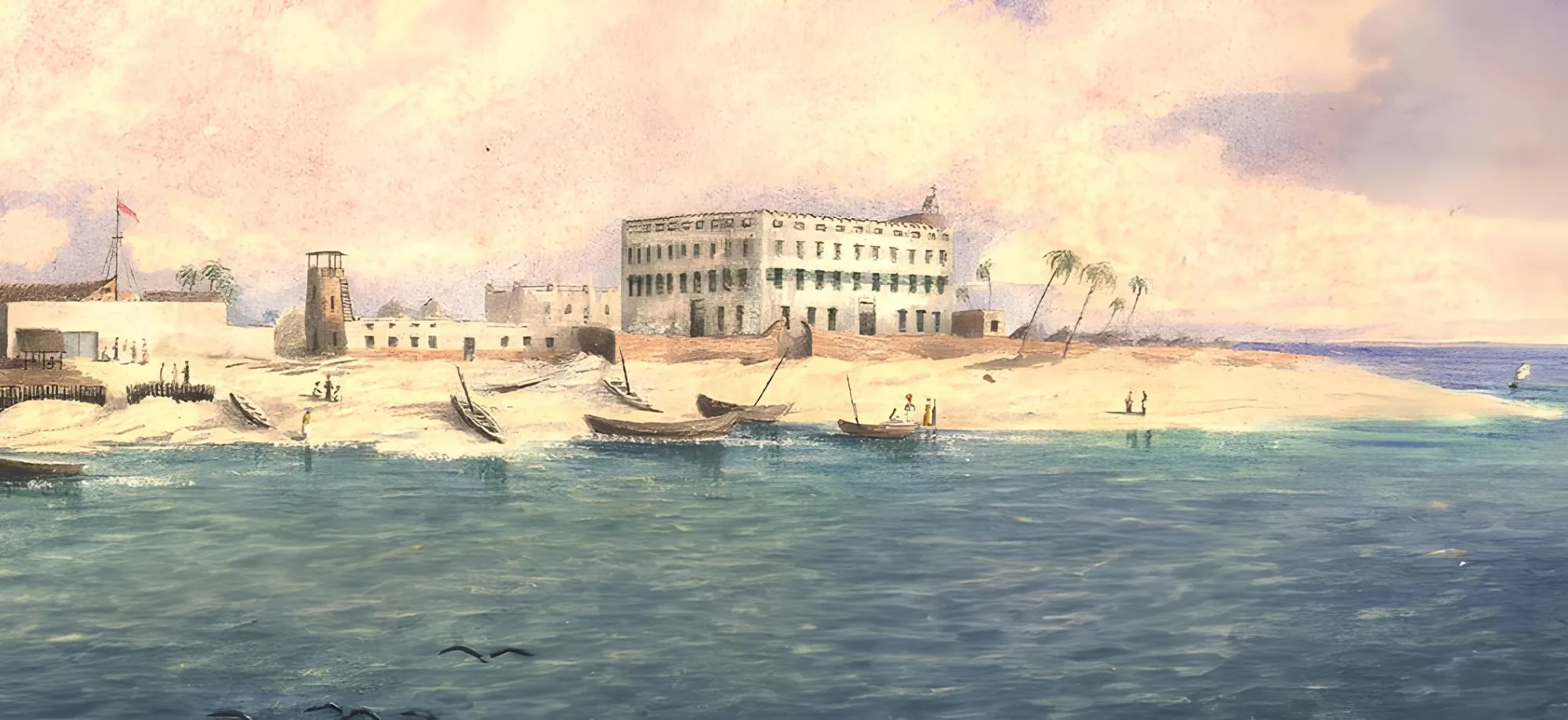
The beachfront at Tembo House Hotel is where for centuries fishermen brought in their haul from the sea, their wooden dhows lining the shore much like they do today. This stretch of coast was not only a hub of daily life but also a silent witness to the rise of Zanzibar as a bustling trading port, attracting merchants from Arabia, Persia, and beyond. From Tembo, you would have seen the first Portuguese ships to ever sail into Zanzibar in the late 15th century, marking the beginning of a new era of maritime encounters and cultural exchange on the island.
The American Consulate
The first American consulate in Zanzibar was established here in 1836, only a few years after the Omani Sultanate shifted its capital from Muscat to Zanzibar in 1832. This marked the beginning of a long diplomatic presence on the island, reflecting Zanzibar’s growing importance as a center of trade and politics in the Indian Ocean. The grounds of Tembo were once frequented by legendary explorers and missionaries, including Ludwig Krapf, Henry Morton Stanley, and the famed David Livingstone, whose footsteps connected this place to the great age of African exploration.
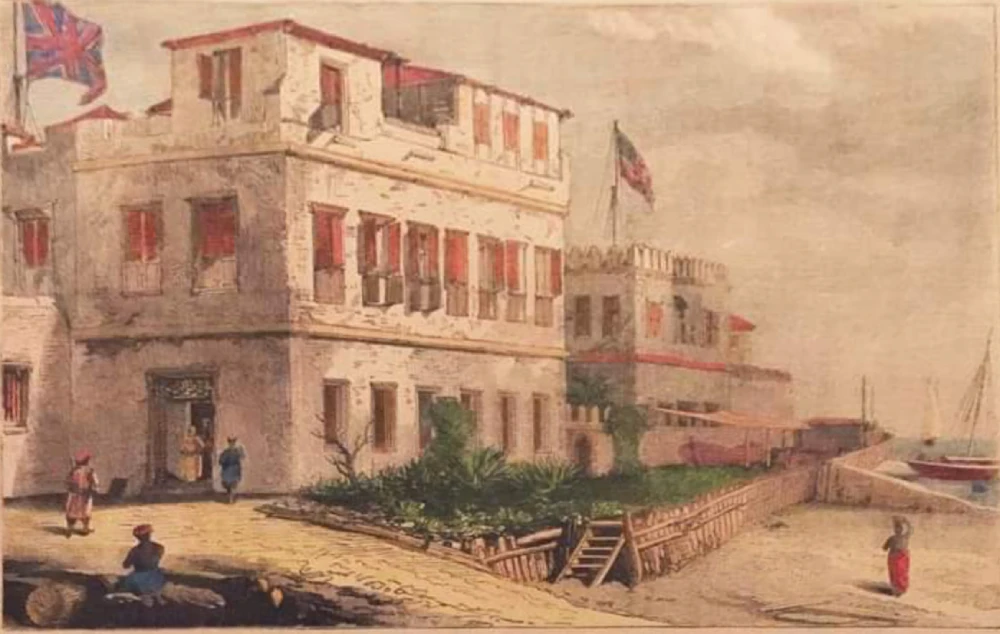
Figure 2: The British Consulate in the foreground and the American Consulate in the background.
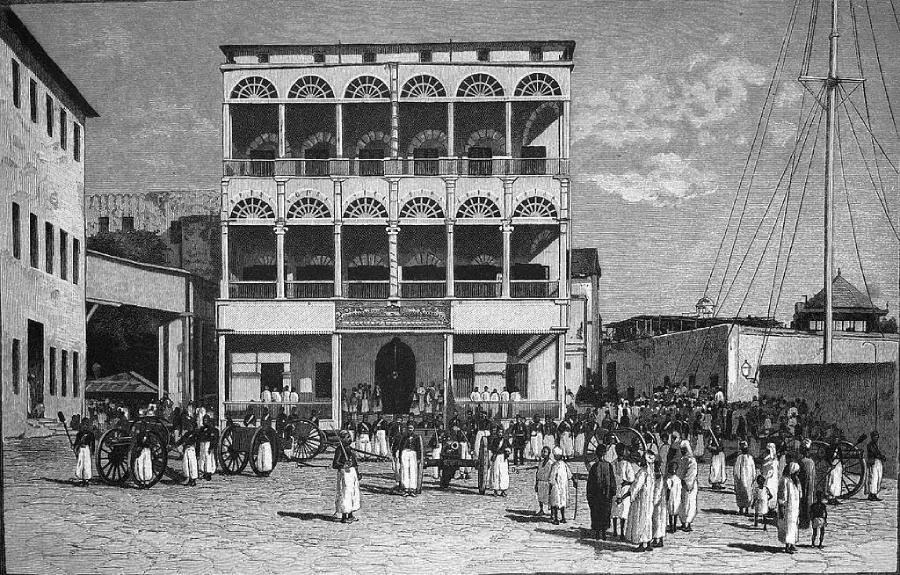
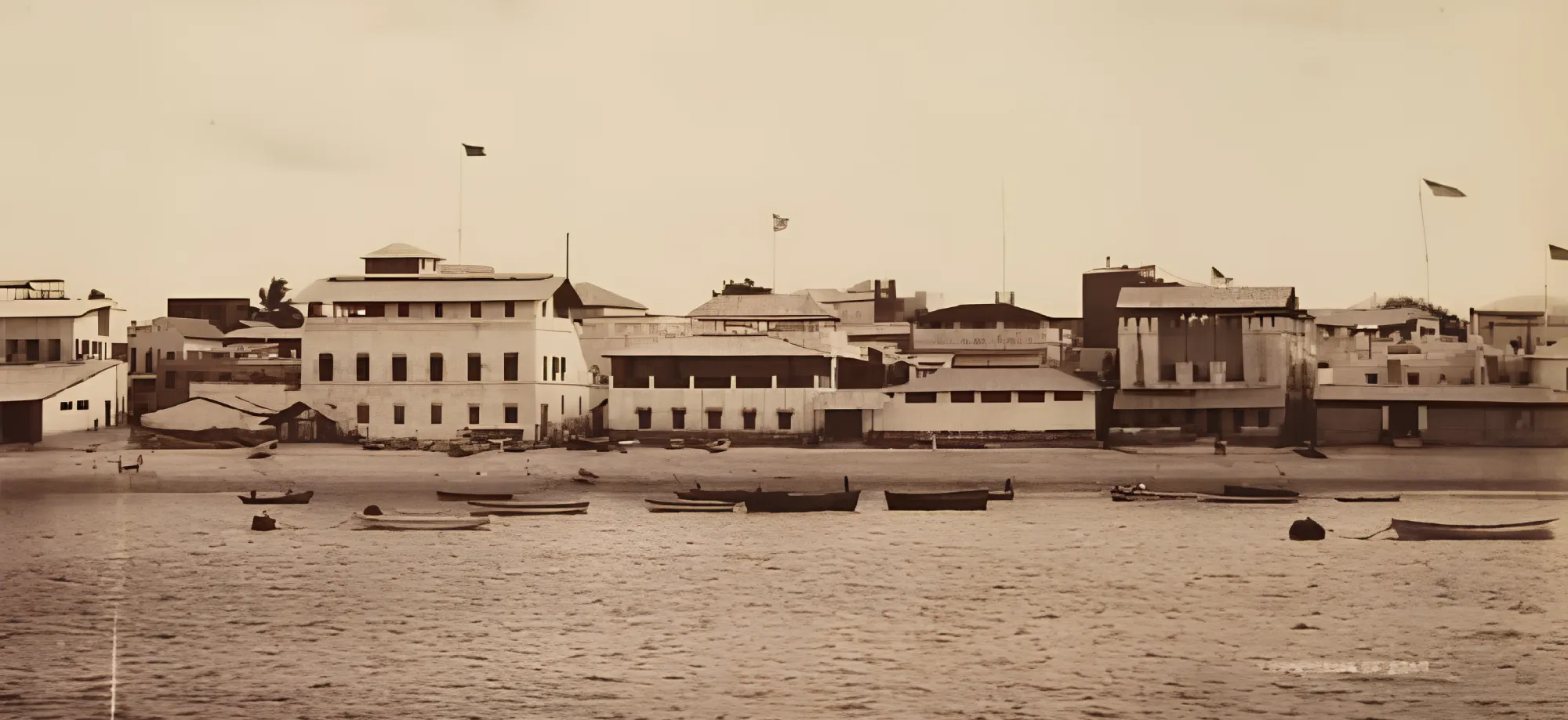
Figure 3: An early view of the Tembo House Hotel building.
Trading Empire
By the early 1880s, the Tembo House Hotel became home to one of the largest and most influential trading companies along the East African coast: The Cowasjee Dinshaw and Brothers Company. From this very location, goods such as spices, ivory, and textiles flowed between Zanzibar, India, and the wider world, cementing the island’s role as a vital hub in global commerce. Within these walls, business deals and friendships were forged, cultures intertwined, and the rhythms of trade echoed through the corridors. A carved wooden elephant, proudly standing in the courtyard, bore silent witness to these bustling exchanges and remains a symbol of that rich mercantile heritage.
Historic Hotel
That wooden elephant—tembo in Swahili—eventually lent its name to this iconic place. Over the course of the 20th century, the building was transformed into the Tembo House Hotel, preserving its charm while embracing a new chapter as a haven for travelers. Today, guests walk the same halls once graced by explorers, diplomats, and traders, experiencing a living link between past and present. The hotel continues to carry forward its legacy of hospitality, culture, and history, offering every visitor the chance to be part of Zanzibar’s enduring story.
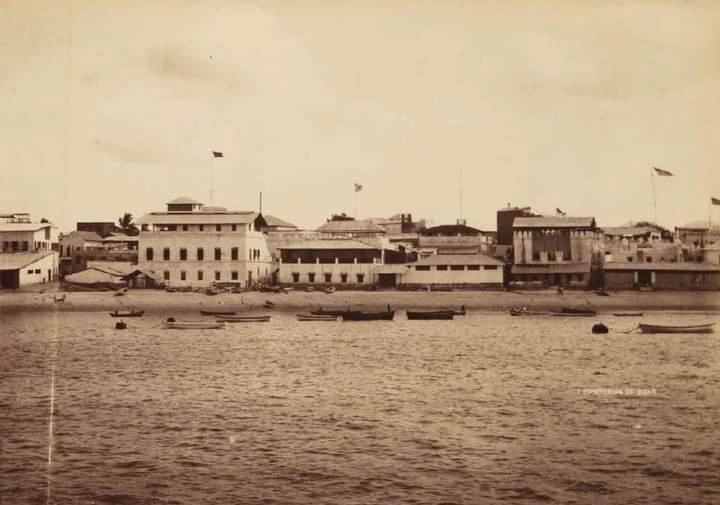
Figure 4: A photo of the Tembo House Hotel building, possibly from the early 20th century.
Where Centuries of History Meet Modern Hospitality.
From ancient traders and explorers to today’s travelers, Tembo House Hotel has always been a place of connection, culture, and comfort. Stay with us and become part of Zanzibar’s living story.
Book Now
Call Us to book / make reservations
Tel: +255 779 413 348 / +255 24 223 3005
Or Email Us
reservations@tembohotel.com
.jpg)